The Truth About Organic – Webinar Takeaways
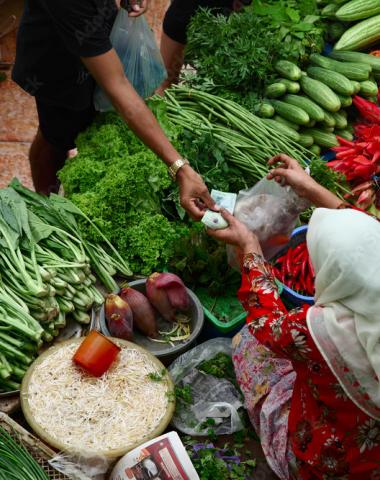
More than 250 participants from around the world joined an essential webinar aimed at debunking widely circulated myths about organic agriculture.
The event featured speakers from FiBL, the Robin Food Coalition, and the Inter-Continental Network of Organic Farmers Organisations (INOFO), each bringing perspectives rooted in policy and market advocacy, scientific research, and community-based knowledge:
- Volkert Engelsman, Founder, Robin Food Coalition
- Harun Cicek, Deputy Leader of the Group Agroecosystem Innovation & Adoption, FiBL
- Julitza Nieves, Central America & Caribbean Convenor, INOFO
Moderated by Julia Lernoud, IFOAM – Organics International World Board member, the session addressed widespread misinformation about organic and underscored the true meaning of the term.
Throughout the discussion, speakers highlighted how organic practices create tangible and positive impacts on the environment, health, and the well-being of those who grow our food.
Key Takeaways from the panel:
Engelsman: Organic sold because its benefits were supported by robust studies.
- Benefits of organic farming – building soil fertility, contributing to clean water, investing in biodiversity, and mitigating climate change through sequestering soil organic matter – are well documented.
- A recent Dutch study, conducted with Deloitte, calculated that Dutch taxpayers could save 10 billion euros per year if farmers transitioned to 100% organic production and committed to protein transition. (Source: Robin Food Coalition)
- Another study, conducted in collaboration with PwC, showed that organic conversion could help de-risk the supply chains, contributing to greater food stability and safety.
Nieves: Organic can be accessible and affordable within community-level systems that focus on local and seasonal production.
- The perception that organic was expensive was often based on national-level data. For example, USDA data (January 2025) suggested that organic products were, on average, 52% more expensive than their conventional counterparts.
- However, when examining organic value chains at the local and community level, particularly in rural markets that prioritise seasonal, locally produced crops and local processing, organic food would be more accessible and affordable. These systems were rarely captured in national data.
- Higher prices were also linked to a “globalised diet”. Consuming the same products all-year round would inevitably lead to higher costs.
Engelsman: The health benefits of organic were recognised by both consumers and scientists and were supported by strong evidence.
- His organisation conducted a study using the Disability-Adjusted Life Year (DALY) metric to calculate disease burden based on residual data from the European Food Safety Agency (EFSA). The results indicated that organic apples were 19 cents healthier per kilogram than conventional apples, demonstrating that the health benefits of organic could be quantified using established measures.
- Findings from the National Pesticide Observer showed that switching to an organic diet could significantly reduce glyphosate residues in urine.
Cicek: The environmental benefits of organic practices were well verified and supported by scientific data.
- Organic practices such as mulching and the use of shrubs have been shown to produce yields comparable to, or even exceeding, those of systems relying on full fertiliser treatment, without degrading the soil.
- Extensive data confirmed the positive environmental impacts of organic systems, including reduced energy consumption, improved soil fertility, and lower pesticide residue.
Cicek: The “feed the world” narrative was a persistent myth promoted by the agri-food industry.
- Numerous scientific studies on production capacity and calories needed indicated that there was no immediate global food shortage driven by production limits.
- Conversely, productivity in conventional agriculture was stagnating, suggesting that conventional systems were not solving the very challenges they claimed to address.
- Long-term studies in Chuka and Kandara, Kenya, showed that organic and conventional systems can achieve comparable yields when organic systems are designed with crop rotations. Similar trends were observed in agroforestry cocoa systems in Bolivia. (Source: Farming Systems Comparison in the Tropics, SysCom)
Nieves: Consensus had always existed among serious organic actors.
- A clear consensus existed among serious actors across the organic value chain. This consensus was broken down when greenwashing occurred, when companies manipulated terminology to profit from the organic label without adhering to genuine production practices.
- Farmer associations and the broader organic community should collaborate to develop and strengthen globally harmonised standards to counter greenwashing driven by large agribusinesses.
Lernoud: Global organic organisations continued to strive for a broader, inclusive consensus.
- The global understanding of organic is grounded in the principles of organic agriculture and articulated through the IFOAM norms.
- The IFOAM Family of Standards enables multilateral equivalence among organic standards and technical regulations worldwide.
The strong attendance and dynamic discussion highlighted how deeply this topic resonates across the organic community. It also reflected a shared desire to deepen understanding of the scientific, environmental, and cultural dimensions, and the full potential of organic agriculture.
Across the movement, initiatives both large and small are emerging to expand awareness and knowledge of organic practices and policies. Additional information and resources can be found in the section below.
Resources
- Watch the recording on YouTube (click here to watch)
- Access the presentation materials, download them here
- Additional reads:
- Press release: The Hidden Cost of Our Agriculture
- FiBL Long-term Study: Farming Systems Comparison in the Tropics
- FiBL Five-year Study: SustainSahel
The views expressed in this webinar are those of the speakers and do not necessarily reflect the official position of IFOAM – Organics International.